What’s the Difference between an RV, a Campervan and a Motorhome?
- RV Lifestyle
- Family Friendly
- Road Trip
If you're planning your first road trip in a rented rig, the terminology alone can be overwhelming. RV, camper, camper van, travel trailer, motorhome: these words get used interchangeably, but they don't all mean the same thing. Understanding the difference matters, especially when you're trying to pick the right vehicle for your trip.
In this guide, we'll break down what an RV actually is, walk through the major classes and types, and help you figure out which option best fits your group size, comfort preferences, and travel style.
Recreational Vehicle Basics: How RVs Are Categorized
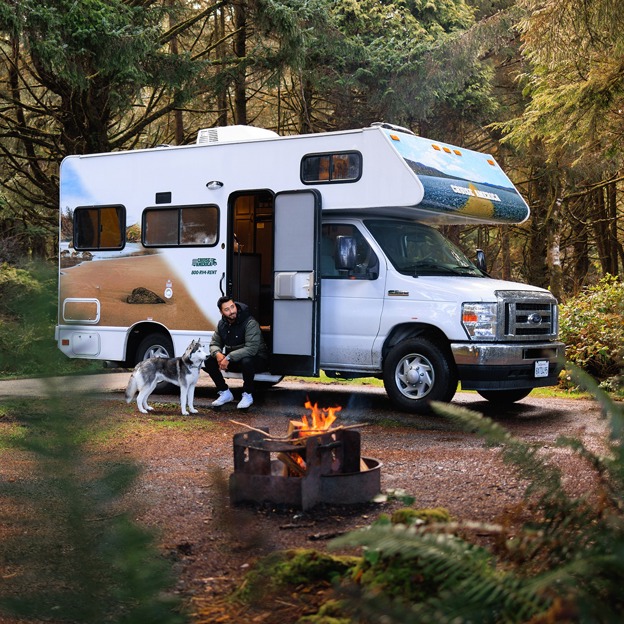
What is an RV? RV stands for recreational vehicle, an umbrella term covering any vehicle or trailer built with living quarters for travel, camping, or recreational travel. That's a broad definition, and it's exactly why the terminology gets confusing. An RV could be a small towable trailer or a full-size motorhome with a bedroom, bathroom, and kitchen.
It helps to think of "RV" as the category, with several distinct types underneath it. Here's a quick breakdown of how they compare:
|
Type |
Category |
Best For |
|
Motorized RV |
Class A, B, or C |
Drivers who want an all-in-one vehicle |
|
Camper van |
Class B |
Solo travelers, couples |
|
Travel trailer |
Towable |
Groups wanting extra space without a big price tag |
|
Fifth wheel |
Towable |
Larger families, extended stays |
|
Pop-up camper |
Towable |
Budget-conscious, short trips |
One common point of confusion is RV vs. camper. In everyday conversation, "camper" often gets used as shorthand for any RV, but technically, a camper refers to a smaller unit like a truck bed camper or a towable camping trailer, not a full motorhome. We'll clear up these distinctions type by type as we go.
Unlike mobile homes, RVs are built for temporary living quarters rather than permanent residence. That's an important distinction if you're comparing an RV vacation to other types of travel: an RV isn't a house; it's a drivable home away from home, designed specifically for trips on the road.
Motorized RV vs. Towable: Understanding Drivability and Towing
Before you dive into specific classes, it helps to understand the biggest split in the RV world: motorized RVs versus towable RVs. This distinction affects everything from what you need to drive one to your license requirements to how much flexibility you have once you arrive at a destination.
Motorized RVs are self-powered vehicles you drive directly; no separate tow vehicle required. Everything from your living space to your cab is built onto one chassis. This category includes Class A, Class B, and Class C motorhomes, all of which we'll cover in detail below.
Towable RVs are pulled behind a separate vehicle, typically a truck or SUV equipped with the right hitch. This category includes:
-
Travel trailers
-
Fifth wheel trailers
-
Pop-up campers (also called folding camping trailers or tent trailers)
-
Truck campers (which sit in a truck bed rather than being towed)
Here's a side-by-side look at what each option requires:
|
Factor |
Motorized RV |
Towable RV |
|
What you need |
A valid driver's license (special license rarely required) |
A tow vehicle with adequate towing capacity |
|
Set up at camp |
Park and go |
Unhitch from tow vehicle |
|
Getting around locally |
May need a second vehicle or tow a car |
Tow vehicle is free to use once unhitched |
|
Driving experience |
Similar to driving a large van or bus |
Requires towing experience and comfort backing up |
A few practical notes worth knowing before you choose:
-
Most RVs on the motorized side don't require a special license in the U.S., though this can vary by state and by the size of the RV.
-
Towing does require some comfort behind the wheel. Backing up a fifth wheel or trailer into a campsite takes practice, especially in tight or urban areas.
-
If having a separate vehicle for side trips matters to you, a towable RV gives you that flexibility since your truck or tow vehicle isn't part of the living quarters.
This distinction alone often helps first-time renters narrow down their options fast. If you'd rather not deal with towing at all, a motorized RV simplifies the experience. If you already own a capable tow vehicle, a towable RV can be a more budget-friendly way to start.
Class A: The Motorhome Built for Comfort and Space
Class A motorhomes are the largest and most feature-rich option in the motorized RV category. Built on a bus-like chassis, Class A motorhomes offer the most living space of any RV type, often including full kitchens, separate bedrooms, and multiple slide-outs that expand the interior once parked.
Here's what typically sets Class A motorhomes apart:
-
Size: Generally the longest and widest option, offering the most room for larger groups
-
Layout: Full living quarters with a dedicated cab area, separate sleeping areas, and often a full bathroom with a separate shower
-
Amenities: Full-size refrigerators, dinettes, entertainment systems, and ample storage
-
Best for: Families or groups who want maximum comfort and are planning longer trips or extended road trips
Because of their size, Class A motorhomes handle differently than a car or smaller vehicle. They also tend to use more fuel than a Class B or Class C, which is worth factoring into your trip budget. That said, for travelers who prioritize space and comfort over maneuverability, a Class A offers a level of living space that's hard to match in a Class B or Class C.
|
Feature |
Class A |
|
Typical sleep capacity |
Up to 8 |
|
Slide outs |
Common, often multiple |
|
Best suited for |
Larger families, groups, longer trips |
|
Driving experience |
Similar to driving a bus |
Class B: Compact, Fuel-Efficient and Easy to Drive
Class B motorhomes, often called camper vans, are the smallest motorized RV option. Built on a standard van chassis, Class B motorhomes trade some living space for maneuverability, fuel efficiency, and ease of driving.
What makes Class B stand out:
-
Size: Compact enough to drive and park like a large van, making it a comfortable option for first-time RVers
-
Layout: A convertible bed, small kitchenette, and small bathroom, all built into a single, efficient space
-
Fuel-efficient: Class B motorhomes typically get better gas mileage than larger Class A or Class C options, since they're lighter and more aerodynamic
-
Best for: Solo travelers, couples, or small groups who value simplicity over extra space
Because Class B motorhomes are so close in size to a regular van, they're also easier to park in urban areas or standard parking spots, something larger RVs often struggle with. The tradeoff is less living space and sleeping quarters, so they're generally not the best fit for larger families.
|
Feature |
Class B |
|
Typical sleep capacity |
2 to 4 |
|
Fuel efficiency |
Best among motorized RVs |
|
Best suited for |
Solo travelers, couples, small groups |
|
Driving experience |
Comparable to driving a large van |
Camper Vans: A Popular Class B Alternative
While Class B motorhomes and camper vans are often used to mean the same thing, there's a subtle distinction worth knowing. Camper vans typically refer to vans that have been converted or built out with living quarters, sometimes by the RV manufacturer directly, and sometimes through aftermarket conversions.
A few common characteristics of camper vans:
-
Built on standard van chassis, with popular examples including the Ford Transit and Mercedes-Benz Sprinter
-
Offer a bed or convertible sleeping area, a small kitchenette, and in many cases, a compact bathroom
-
More affordable than larger motorhomes, both to rent and to maintain
-
Easier to drive and park than any other motorized RV type, making them a popular pick for first-timers
Camper vans are especially popular with solo travelers and couples who want the RV experience without the size or learning curve of a larger vehicle. They're also a practical choice if your trip includes stops in cities or areas where finding parking for a larger RV would be difficult.
|
Camper Van Feature |
Detail |
|
Chassis examples |
Ford Transit, Mercedes-Benz Sprinter |
|
Sleep capacity |
2 to 4 |
|
Storage space |
Limited compared to larger RVs |
|
Ideal trip length |
Short to medium road trips |
Because camper vans and Class B motorhomes overlap so much, the best way to think about it is this: all camper vans are essentially Class B RVs, but not every Class B motorhome is marketed or built the same way. When comparing options, it comes down to layout, amenities, and how much living space you actually need.
Class C: A Family-Friendly Middle Ground
Class C motorhomes are easy to spot thanks to the distinctive overhang above the front cab, which usually contains a sleeping area. This design gives Class C motorhomes more sleeping capacity than a Class B without the size and cost of a Class A.
What sets Class C apart:
-
Size: Mid-range in length, generally easier to drive than a Class A while still offering solid interior space
-
Layout: Cab-over sleeping area plus additional sleeping areas in the main cabin, along with a kitchen and bathroom facilities
-
Best for: Families who want more room than a camper van but don't need the full scale of a Class A
Class C motorhomes tend to strike a balance that works well for many first-time renters. They're large enough to offer real comfort on longer trips, but the driving experience is closer to handling a large truck than a full-size bus like a Class A.
|
Feature |
Class C |
|
Typical sleep capacity |
Up to 6 |
|
Layout highlight |
Cab-over sleeping area |
|
Best suited for |
Families, small groups |
|
Driving experience |
Closer to a large truck than a bus |
Whether you land on a Class A, B, or C often comes down to the same three questions: how many people are traveling, how comfortable you are driving something larger, and how much living space you actually need for the trip. We'll walk through that decision in more detail later in this guide.
Living Space Considerations: Amenities, Comfort and Storage
One of the biggest misconceptions first-time RV renters have is that every RV offers the same amenities. In reality, living quarters vary significantly by type, and understanding those differences ahead of time makes a big difference in comfort during your trip.
Here's a general comparison of what to expect across RV types:
|
RV Type |
Sleeping Areas |
Bathroom |
Kitchen |
Storage |
|
Camper van / Class B |
Convertible bed |
Small bathroom |
Kitchenette |
Limited |
|
Class C |
Cab-over plus additional bed |
Full bathroom facilities |
Standard kitchen |
Moderate |
|
Class A |
Multiple sleeping areas |
Full bathroom, often with separate shower |
Full kitchen |
Extra space, multiple storage compartments |
|
Travel trailer / fifth wheel |
Varies by floor plan |
Full bathroom in most models |
Full kitchen |
Often more living space than motorized options of similar price |
A few common misconceptions worth clearing up:
-
"All RVs have a full bathroom." Not true. Smaller units like camper vans and pop-up campers often have a compact bathroom or, in some cases, no permanent bathroom at all.
-
"More space always means more comfort." Larger RVs offer more room, but that extra space can come with trade-offs like harder parking, more fuel use, and a longer setup process at your site.
-
"Storage is the same across all RV types." Storage space depends heavily on the type and class. Larger motorhomes and fifth wheels typically offer the most storage, while camper vans and pop-up campers offer the least.
When comparing your options, think about what you'll actually use daily: access to a full kitchen, a private bathroom, or enough sleeping areas for your whole group. These details matter more once you're a few days into your trip than they might seem when you're just browsing.
Planning Your Road Trip: Campgrounds, Fuel and Hookups
Once you've got a handle on the different RV types, it's worth thinking through a few practical factors that affect your actual road trip experience: where you'll stay, how much fuel you'll use, and what kind of hookups you'll need along the way.
Campground and RV park compatibility
Not all RV parks accommodate every RV type equally. Before booking a site, it helps to know:
-
Larger RVs, like Class A motorhomes and fifth wheels, often need pull-through sites with more length and clearance
-
Smaller RVs, like camper vans and Class B motorhomes, fit into a wider range of sites, including tighter or more rustic spots
-
Most RV parks offer water, electric, and sewer hookups, but availability and hookup type can vary, especially at more remote or public campgrounds
-
If you're planning a longer trip with multiple stops, it's worth confirming hookup availability at each site ahead of time
Fuel considerations by RV type
Fuel efficiency varies quite a bit depending on the size and class of RV you choose:
|
RV Type |
Fuel Efficiency |
Notes |
|
Class B / camper van |
Best |
Closest to driving a standard van |
|
Class C |
Moderate |
Balances space and efficiency |
|
Class A |
Lowest |
Larger engine, more weight to move |
|
Towable (with tow vehicle) |
Depends on tow vehicle |
Add trailer weight to your tow vehicle's normal fuel use |
If you're towing a fifth wheel or travel trailer, remember that your tow vehicle's fuel efficiency will drop once it's pulling extra weight. This is worth factoring into your trip budget alongside campground and hookup costs.
A few tips for smoother road trip planning:
-
Book campgrounds and RV parks in advance, especially during peak travel season
-
Confirm your site can accommodate your RV's length, especially for larger RVs
-
Plan fuel stops with your RV's size in mind, since not every gas station easily accommodates a larger vehicle
-
If comfort with driving or towing is a concern, consider a shorter first trip to get familiar with your vehicle before a longer road trip
How to Choose the Right Vehicle for Your Vacation Style

With all the RV types covered, the real question becomes: which one is right for your trip? The right vehicle for you depends on a few key factors: group size, comfort with driving or towing, budget, and travel style.
Here's a simple framework to help narrow things down:
1. How many people are traveling?
-
Solo or couple: A camper van or Class B motorhome is usually plenty
-
Small family (3 to 4): A Class C offers a good balance of space and drivability
-
Larger group (5+): A Class A motorhome or a larger travel trailer gives you the most room
2. How comfortable are you driving or towing?
-
New to RVs entirely: Motorized options like a Class B or Class C are typically easier to start with
-
Own a capable tow vehicle already: A travel trailer or fifth wheel can be a more budget-friendly way to get extra space
3. What's your travel style?
-
Frequent stops in cities or tighter spaces: Smaller, easier-to-park RVs like camper vans fit better
-
Fewer stops, more time settled at each site: Larger RVs make more sense since you won't be moving as often
-
Bringing gear like bikes or outdoor equipment: Worth considering an RV with extra storage space
4. What's your budget, including fuel?
-
Smaller, fuel-efficient RVs generally cost less to rent and to fuel
-
Larger RVs offer more comfort but come with higher fuel costs and, in the case of towables, additional costs for a capable tow vehicle
Here's a quick reference table pulling it all together:
|
Your Priority |
Best Fit |
|
Simplicity and easy driving |
Camper van or Class B |
|
Balance of space and drivability |
Class C |
|
Maximum space and comfort |
Class A |
|
Budget-friendly with own tow vehicle |
Travel trailer or fifth wheel |
There's no single right vehicle for everyone. It really comes down to matching the RV type to your travel needs rather than picking the biggest or most feature-packed option available. Many first-time renters find that a smaller, simpler RV suits their first trip better than they expected, since the goal is comfort and ease, not just space for its own sake.
Full-Time Travelers: Living the RV Lifestyle
While most people renting an RV are planning a vacation, a growing number of full-time travelers use RVs as their primary way of living and working on the road. It's worth understanding this use case, even briefly, since it highlights just how versatile RVs can be beyond a typical week-long trip.
Full-time travelers often gravitate toward larger RVs, like a Class A motorhome or a fifth wheel, simply because they offer more living quarters for day-to-day life. Some also opt for a toy hauler, a towable RV with a garage-style back section built to carry dirt bikes, golf carts, or other vehicles, which doubles as extra living or storage space when not in use.
A few things that tend to matter more for full-time travelers than for vacationers:
-
Longer trips require more durability. RVs used for extended stretches see more wear, so reliability and manufacturer support matter more.
-
Storage becomes a daily concern, not just a packing consideration for a single trip.
-
Fuel and maintenance costs add up differently when you're living in the RV rather than using it for occasional road trips.
Is Full-Time Living Right for You?
Full-time living in an RV isn't for everyone, and it's a very different commitment than renting one for a vacation. Here's a quick snapshot of the tradeoffs:
|
Consideration |
Vacation Use |
Full-Time Living |
|
Trip length |
Days to a couple of weeks |
Months to indefinite |
|
Vehicle wear |
Minimal |
Significant over time |
|
Storage needs |
Packing for a trip |
Managing daily belongings |
|
Best RV types |
Any class, based on group size |
Larger Class A, fifth wheels |
For most travelers, though, the appeal of an RV isn't full-time living; it's the freedom of a road trip without giving up the comforts of home. That's exactly where renting comes in, which we'll cover next.
Why Renting Beats Buying for First-Time RVers
If everything above has you excited about RV travel but unsure which vehicle is right for you, renting is almost always the smarter first step. Buying an RV outright is a major financial commitment, and it locks you into one type before you've had a chance to experience what actually fits your travel needs.
Here's why renting makes sense, especially for solo travelers, couples, and families trying RV travel for the first time:
-
Try before you buy. Renting lets you experience a Class A, Class B, or Class C firsthand, so you know exactly what you like before ever spending money on a purchase.
-
No long-term costs. Owning an RV means covering insurance, storage, and maintenance year-round, even when you're not using it. Renting means you only pay for the trip you're actually taking.
-
Flexibility for different trips. A larger group next year? Rent a Class A. Just a couple wanting something simple? Rent a camper van. You're not stuck with one vehicle for every type of trip.
-
No storage headaches. RVs take up significant space when not in use, and many cities have restrictions on parking them at home. Renting removes that problem entirely.
-
Newer, well-maintained vehicles. Rental fleets are typically well-kept and updated regularly, so you're not dealing with the maintenance issues that come with an older, privately owned RV.
For many first-time renters, this is the deciding factor. An RV rental gives you all the benefits of the RV lifestyle without the long-term financial commitment of ownership.
Ready to Experience RV Travel for Yourself?
The best way to find out what works for you is to experience it firsthand. Cruise America offers a full range of RV rentals, from compact camper vans to spacious motorhomes, so you can pick the option that fits your group, your budget, and your travel style.
Browse Cruise America's RV rentals and start planning your trip today.