Hot Spring Closest to Me: The Most Relaxing Spots in the U.S. Worth Visiting
- get inspired
If you’ve ever searched for “hot spring closest to me,” chances are you’re looking for more than just a scenic stop — you’re looking for relief, relaxation, or a reset. For centuries, people have traveled to natural hot springs seeking physical healing, mental clarity, and a deeper connection to nature.
Long before modern spas existed, ancient civilizations understood the restorative power of geothermal waters. The Greeks and Romans built bathhouses around mineral springs, believing the warm waters could soothe sore muscles, ease joint pain, and promote overall well-being. Even the historic Battle of Thermopylae — meaning “Hot Gates” — took place near natural hot springs, highlighting how these geothermal sites have long been central gathering places throughout history.
Today, the appeal remains much the same. Naturally heated mineral water is often associated with:
-
Relaxing tight muscles after travel or outdoor activity
-
Improving circulation
-
Supporting stress reduction and mental calm
-
Soothing certain skin conditions
-
Encouraging restful sleep
In a fast-paced world, hot springs offer something increasingly rare: stillness. Whether tucked into a mountain valley, hidden in the desert, or preserved in a historic spa town, these warm mineral pools provide a simple but powerful experience — unplug, unwind, and let nature do the work.
Across the United States, hot springs continue to draw travelers not just for sightseeing, but for restoration. And with so many spread throughout different regions, finding the right one near you could be the beginning of your most relaxing road trip yet.
Planning a Hot Springs Road Trip: What to Know Before You Go
If you’re building a hot springs itinerary — especially after searching for “hot spring closest to me” — a little preparation can make the difference between a relaxing soak and a frustrating detour. Many of the best hot springs are located in remote or seasonal areas, so planning ahead is essential.
Note: Reservations are required at several hot springs locations.
Here’s what to consider before you hit the road:
-
Some hot springs, especially popular ones like Miracle Hot Springs, frequently sell out on weekends and holidays. Planning ahead and making reservations is strongly advised.
-
Certain services or amenities, such as a linen wrap or specific treatments, may be available by request. Be sure to inquire in advance if you have preferences.
-
Hot springs etiquette: Always shower before entering the pools and avoid using soap in the water to help maintain cleanliness for everyone.
-
Note: Weekends tend to be busier, so expect larger crowds and limited availability at many locations.
1. Check Accessibility and Seasonal Conditions
Not all hot springs are accessible year-round. Some are tucked into mountain canyons, desert basins, or national forests where conditions change quickly.
Hot springs may be:
-
Closed during the snow season due to impassable mountain roads
-
Affected by wildfire restrictions in late summer and early fall
-
Flooded during spring runoff, especially those along rivers
-
Accessible only by dirt or gravel roads that may require careful driving
-
Subject to park closures or limited access hours
Before heading out:
-
Check official state park or forest service websites
-
Review recent traveler updates
-
Confirm road conditions and parking availability, including the proximity of the parking lot to the trailhead
-
Look into required permits or day-use fees
Because many hot springs are off the beaten path, cell service can be limited. Download maps in advance and confirm directions before leaving paved highways.
2. Understand the Type of Hot Spring
Not all hot springs offer the same experience. Knowing what type you’re visiting helps you pack properly and set expectations.
Hot springs generally fall into three categories:
Developed Resorts
-
Features maintained soaking pools, often with a variety of pool sizes and temperature ranges
-
Offer restrooms, showers, and changing facilities, as well as bathhouses for communal or private bathing experiences
-
May include lodging, dining, or spa services
-
Often require reservations
-
Facilities may provide private soaking options, such as VIP pools with temperature controls and private changing rooms
-
Complimentary amenities like towel rentals and lockers are often available
These are ideal for travelers who want comfort and amenities.
Public Park Springs
-
Located inside state or national parks
-
May have boardwalk access or viewing areas
-
Some allow soaking; others are for viewing only
-
Usually have designated parking and posted safety rules
These are great additions to scenic road trips.
Primitive/Natural Pools
-
Often located in forests, deserts, or canyon areas
-
May require hiking to access
-
Typically have no facilities
-
Conditions vary depending on weather and usage
-
Some hot springs are clothing optional, creating a relaxed and natural atmosphere; swimsuits are commonly worn, but clothing is optional at some locations
3. Practice Leave No Trace
Many of the most beautiful hot springs are fragile natural environments. Their continued accessibility depends on responsible visitors.
Follow basic Leave No Trace principles:
-
Pack out all trash (including food scraps)
-
Avoid glass containers, which can break and create hazards
-
Stay on marked paths to prevent erosion
-
Respect posted temperature warnings — some springs can exceed safe soaking levels
-
Limit soap or chemical use, even biodegradable products
Overcrowding and environmental damage have caused closures at several well-known hot springs in recent years. Protecting these sites ensures they remain open for future travelers.
Hot Springs Closest to Me: Finding the Best Soaking Spots by Region
Googling “hot springs near me” is often the first step in planning a relaxing getaway. While hot springs are scattered across the country, they tend to cluster in certain regions — making it easier to plan a road trip around multiple soaking destinations.
Each hot spring place offers a unique setting and atmosphere, so you can choose the environment that best suits your preferences.
Below, you’ll find standout hot springs grouped by region, including historic spa towns, remote desert pools, and mountain retreats worth adding to your itinerary.
Northeast & Mid-Atlantic Hot Springs
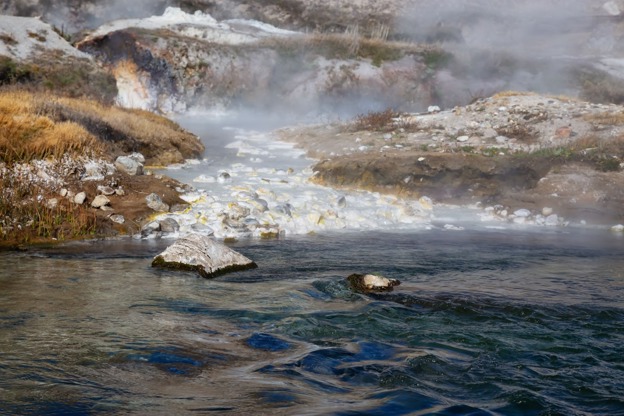
While the eastern U.S. has fewer geothermal areas than the West, it offers some of the country’s most historic spa destinations.
Saratoga Springs – Saratoga Springs, New York
One of the most famous spa towns in America, Saratoga Springs has been drawing visitors since the 1700s. Located in Saratoga Spa State Park and Congress Park, its mineral waters were once believed to have powerful healing properties. The town still celebrates its spa culture today.
Berkeley Springs – Berkeley Springs, West Virginia
Often called “America’s First Spa,” Berkeley Springs has welcomed visitors for centuries — including George Washington. The warm mineral baths in Berkeley Springs State Park remain a central attraction and are easily accessible for a relaxing weekend trip.
Warm Mineral Springs – North Port (Sarasota County), Florida
This unique spring is one of the only naturally warm mineral springs in Florida. The water temperatures at Warm Mineral Springs typically range from 85°F to 87°F, providing a consistently warm and relaxing experience year-round. Its circular basin is rich in minerals and steeped in prehistoric history, with archaeological discoveries dating back thousands of years.
Sand Springs – Berkshire County, Massachusetts
Operating for over 250 years, Sand Springs is one of the Northeast’s only thermal spa properties. The local community takes great pride in Sand Springs, often supporting and participating in events that celebrate its unique heritage. Its long-standing history and serene setting make it a rare find in New England.
Hot Springs – Hot Springs, Virginia
Located in the Allegheny Mountains, this historic spa town has welcomed travelers since the 18th century. The naturally warm springs here have long been associated with rest and rejuvenation, surrounded by scenic Appalachian landscapes. Many visitors come to Hot Springs, Virginia, to restore their well-being in this peaceful and welcoming environment.
Southeast Hot Springs
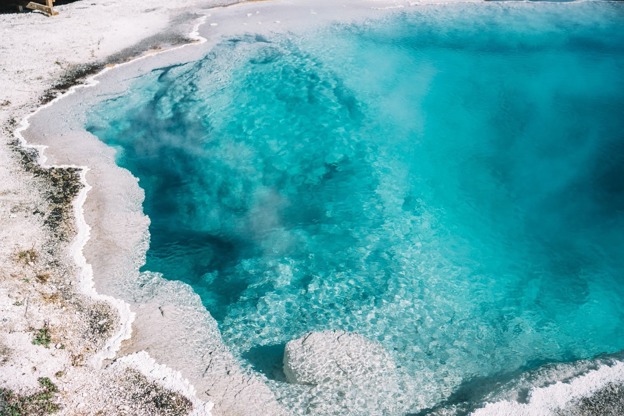
The Southeast has fewer geothermal zones, but the springs that do exist offer a unique history and warm-weather accessibility year-round. Several Southeast hot springs also provide facilities suitable for groups and families, making them ideal for shared experiences.
Radium Hot Springs – Dougherty, Georgia
Considered one of Georgia’s natural wonders, Radium Hot Springs features striking blue waters that flow from an underground cave. The restored terrace and scenic grounds make it a peaceful stop for travelers exploring the region. There is a day-use fee per person, ensuring each visitor enjoys a comfortable and well-maintained experience.
Warm Mineral Springs – North Port, Florida
A repeat favorite for good reason, this mineral-rich spring remains one of the most accessible soaking experiences in the Southeast. Visitors can also swim in the warm, mineral-rich waters at Warm Mineral Springs, enjoying both relaxation and the unique aquatic experience.
Hot Springs National Park – Hot Springs, Arkansas
Though not listed above, Arkansas is home to one of the most developed historic hot spring areas in the South. The thermal waters have drawn visitors since Native American times and later became a famed spa destination in the 19th and early 20th centuries. Many bathhouses in and around Hot Springs National Park now offer massage services, allowing visitors to enjoy both the therapeutic waters and professional massage therapy as part of their relaxation experience.
French Broad River Hot Springs – Hot Springs, North Carolina
Nestled in the Blue Ridge Mountains, this riverside soaking spot offers private tubs overlooking the scenic French Broad River — a peaceful Appalachian retreat where visitors can reconnect with nature or loved ones.
Mountain West Hot Springs
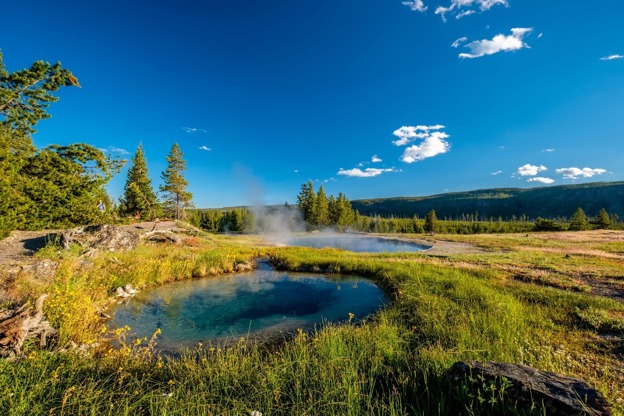
If you’re searching for the highest concentration of “hot springs near me,” the Mountain West is where geothermal activity shines. For hot springs lovers, this region is the perfect place to explore multiple destinations, offering a variety of relaxing and scenic spots to unwind.
Dunton Hot Springs – Telluride, Colorado
Set inside a beautifully restored ghost town, Dunton combines luxury cabins with natural hot springs tucked beneath snow-capped peaks. The property features hand-hewn log cabins, a saloon, and a bathhouse, all set within a historic mining-town setting that makes it especially memorable.
Morning Glory Pool – Yellowstone National Park, Wyoming
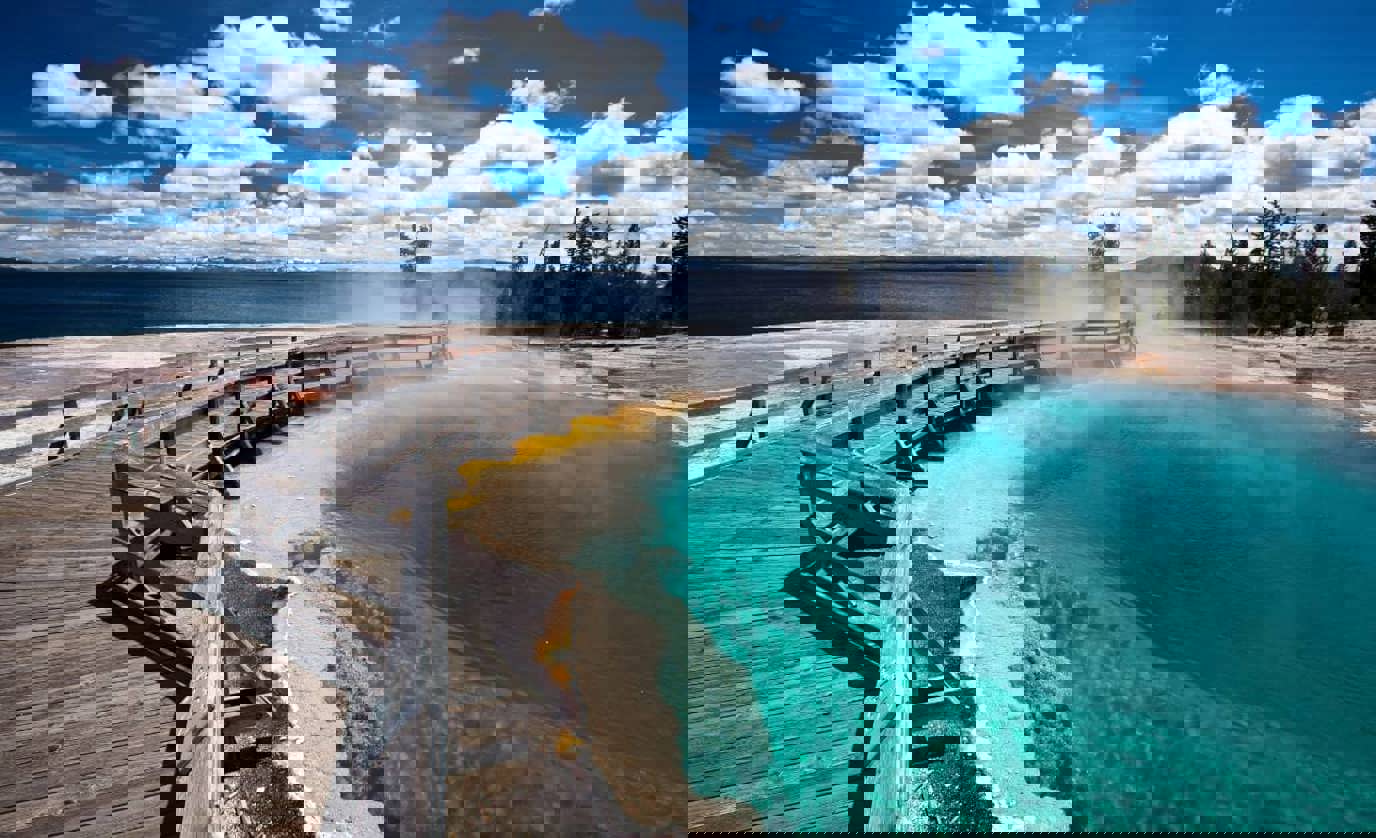
Located near Old Faithful, this famous geothermal feature is known for its vibrant colors. The stunning image of Morning Glory Pool, with its vivid blue and yellow hues, is often featured in travel guides and draws visitors from around the world. While fragile and protected, it remains one of the most iconic hot spring views in the country.
Fifth Water Hot Springs – Diamond Fork Canyon, Utah
Accessible via a scenic hike that begins at the trailhead for Fifth Water Hot Springs, these cascading pools sit against a dramatic canyon backdrop. The reward of soaking after the trek makes it especially popular among adventurers.
Strawberry Park Hot Springs – Steamboat Springs, Colorado
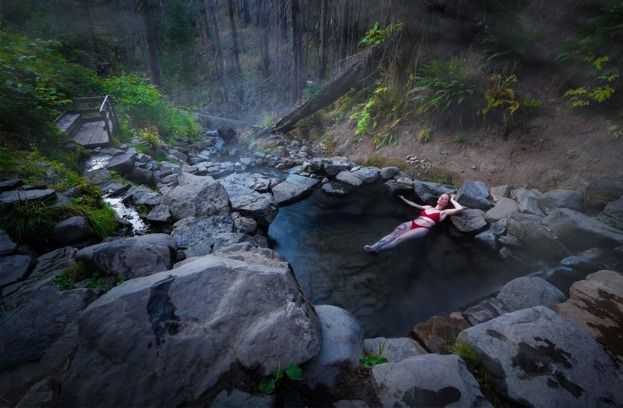
These rustic, stone-lined pools are surrounded by forest and mountain views. In winter, steam rises dramatically from the water, creating a truly magical setting. Soaking at Strawberry Park Hot Springs at night offers a unique experience, with the quiet ambiance and star-filled sky making it especially relaxing.
Chico Hot Springs – Pray, Montana
Operating since the early 1900s, Chico blends historic charm with mountain scenery. Its developed pools make it easy to access while still offering a classic Western experience. Guests can unwind in the soothing mineral waters, making it an ideal spot for relaxation and stress relief after a day of outdoor adventure.
Broadwater Hot Springs – Helena, Montana
Broadwater’s developed pools and spa facilities make it a comfortable option for travelers road-tripping through the Rocky Mountains. The facility features multiple outdoor soaking pools of varying sizes, with temperature ranges to suit different preferences, as well as additional amenities for relaxation and comfort.
Southwest & Desert Hot Springs
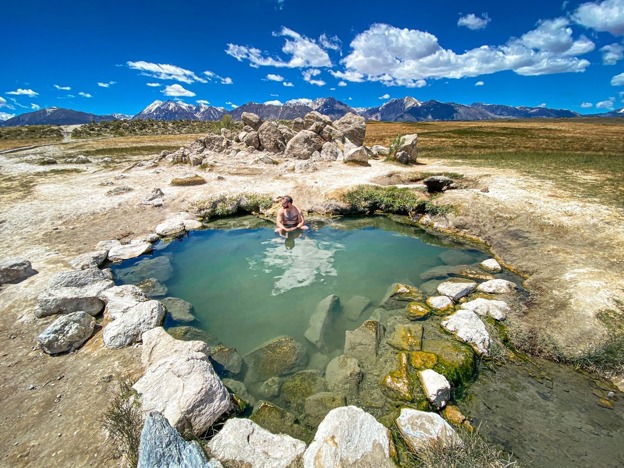
For travelers seeking more remote and rugged soaking spots, the desert Southwest offers unforgettable geothermal experiences.
Black Rock Hot Spring – Gerlach, Nevada
Located in Nevada’s high desert, this remote pool rewards those willing to navigate gravel roads. Its vivid blue waters set against vast desert landscapes create a striking contrast.
Verde Hot Springs – Yavapai County, Arizona
Situated along the Verde River, these historic springs once served a resort rumored to host famous guests. Today, visitors can explore multiple pools and remnants of the old structure.
Castle Hot Springs – Morristown, Arizona
A historic desert retreat dating back to the late 1800s, Castle Hot Springs has hosted notable figures throughout history. Its oasis-like setting stands out in the Sonoran Desert. Unlike other desert resorts, Castle Hot Springs offers natural hot spring pools surrounded by lush palm trees and rugged mountains, creating a unique blend of relaxation and adventure.
Deep Creek Hot Springs – Apple Valley, California
Tucked in Southern California hills, these pools require a hike but offer sweeping canyon views and natural soaking basins.
Travertine Hot Springs – Bridgeport, California
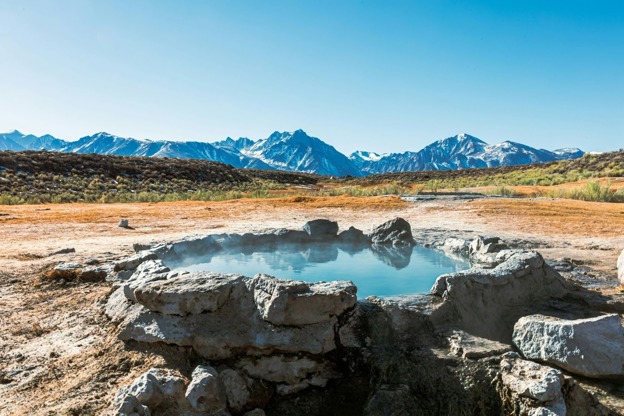
Set against the Sierra Nevada mountains, Travertine features natural rock formations and panoramic views — making it a favorite stop for road trippers exploring eastern California. It's an ideal spot to relax and enjoy the stunning scenery.
Why an RV Makes Hot Springs Travel Easier
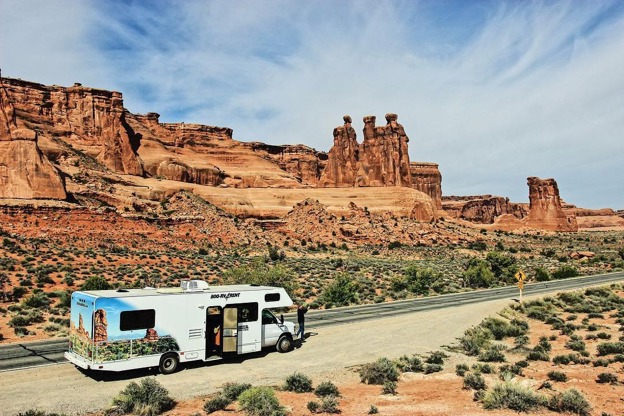
Many hot springs are far from hotels, especially in the West. Staying in an RV gives you:
-
Flexibility in not needing to find overnight lodging
-
Climate control after a long soak
-
The ability to cook meals instead of driving back into town
-
Freedom to explore at your own pace
-
Reliable access to power, which is essential for RV travelers to run appliances and recharge after a day at the hot springs
Instead of limiting your trip to one location, you can create a full hot springs circuit — stopping at scenic overlooks, national parks, and small towns along the way.
For travelers looking to dip into a natural hot spring, combining multiple destinations into one road trip often creates the most memorable experience -- and maybe the most relaxing trip you'll ever take.
Find The Perfect Place in an RV
Whether you take the East Coast route or head out west, there are plenty of hot springs in the U.S. that are worth the trip! So rent an RV and hit the road for a fun-filled family vacation to these stunning locations.
With 45 years of experience and over 120 locations, Cruise America is proud to help customers plan their dream cross-country journey. Our knowledgeable staff can help with all parts of the planning process, starting with what RV to choose and the amenities you’ll need along the way.
Contact Cruise America today to begin mapping out your dream spa experience!


